Freshwater Mussels – A Storymap
For an in-depth look at freshwater mussels and how these fascinating creatures make a lasting impact on the environment, see this Storymap.
Why are mussels important?
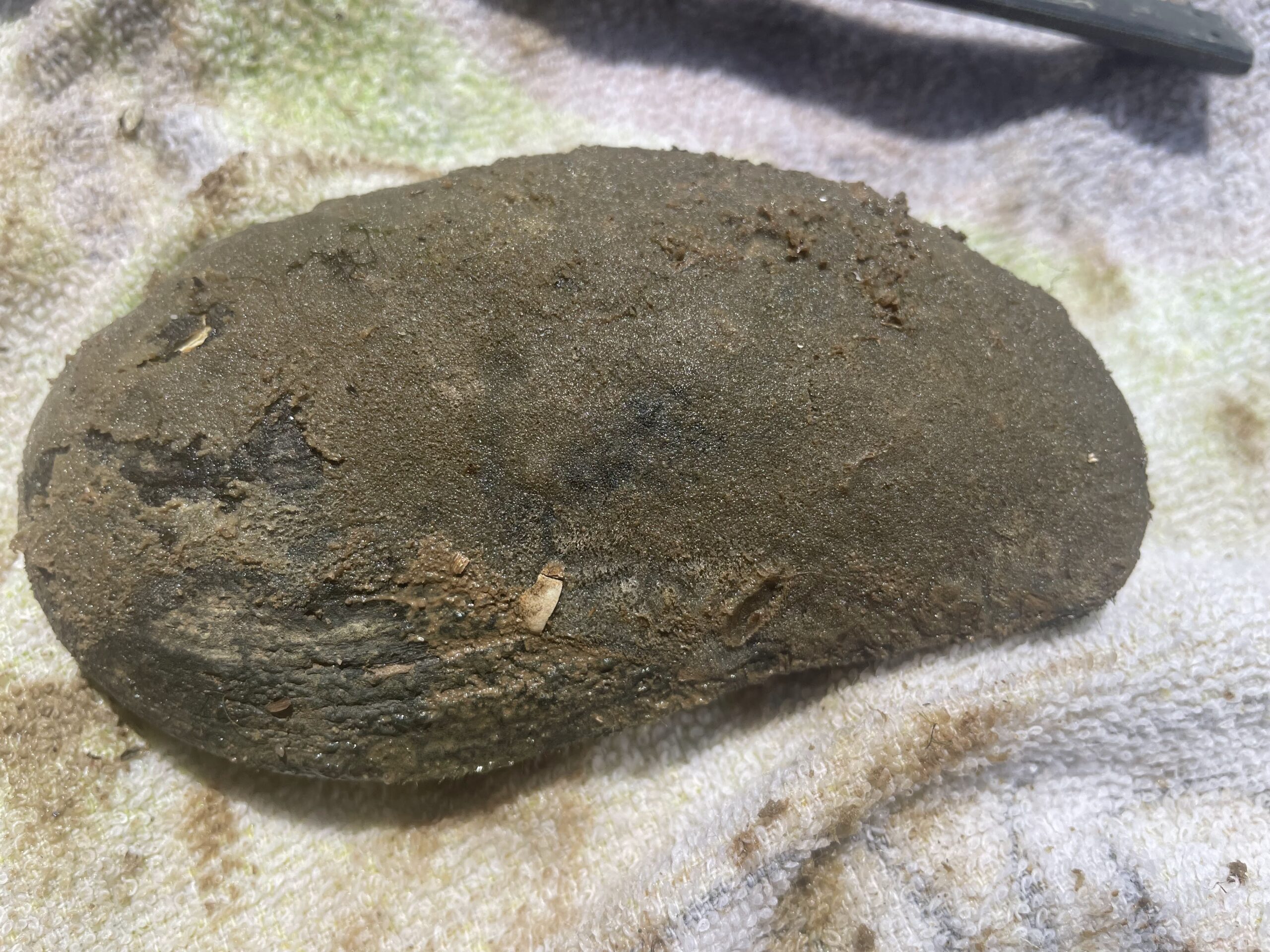
Mussels are filter feeders. An adult freshwater mussel can filter 10-20 gallons of water per day. They are very efficient at filtering pollution and disease-causing bacteria like E. coli from the Anacostia River. By removing soil and other tiny particles from the water column, mussels help improve water clarity and create good conditions for underwater plants to grow. These plants provide habitat for a variety of other species. Even empty mussel shells become a tiny home for other bottom dwelling creatures like crayfish, snails, insects and small fish. The shells also provide plants and algae with something to grow on. By restoring mussel populations, we are helping improve water quality and enhance the underwater ecosystems of the Anacostia River. Plus, mussels are bioindicators: if there is too much pollution, we will know because the mussels don’t survive.
Scientists have found about 300 species of freshwater mussels in the United States, with the highest diversity in the Southeast. Sixteen species have been found in Maryland, including at least eight in the Anacostia River (in both Maryland and the District), according to an assessment we conducted with the Maryland Department of Natural Resources.
How are freshwater mussels threatened?
Freshwater mussels are one of the groups of animals in greatest danger in North America. Seventy percent of species are listed as vulnerable, threatened or endangered. Sadly, scientists now consider 37 species extinct. Severe habitat destruction, water pollution, climate change, damming, invasive species and overuse of water for agriculture and other uses are responsible for the dramatic decline. Mussels live part of their lives attached to fish, and many of their host fish species are declining, too.
AWS Accomplishments in Mussel Restoration
Since 2019, we have stocked over 38,000 freshwater mussels of five native species into the Anacostia River:
- Eastern lampmussel (Lampsilis radiata)
- Eastern elliptio (Elliptio complanata)
- Eastern floater (Pyganodon cataracta)
- Eastern pondmussel (Sagittunio nasutus)
- Alewife floater (Utterbackiana implicata)
Eastern pondmussels and Alewife floaters are considered species of greatest conservation need in both Maryland and the District. These 38,000 mussels will filter the equivalent of 427 Olympic-sized swimming pools each year. Our goal is to add more of these mussels to the river and improve their habitat so that more mussels will filter more water, improving the water clarity and helping the river’s ecosystems.
Freshwater Sponges
Freshwater sponges are one of the newest areas of research at AWS. For years, we saw sponges growing on mussel baskets, cages and shells, but didn’t know what they were.
While out on a mussel survey in the upper Northwest Branch, the restoration team saw a beautiful green creature growing on a rock. This creature just so happened to be a freshwater sponge. The team began seeing so many of them, so we decided to get a permit to collect samples. We sent them to a sponge expert in Michigan who uses a scanning electron microscope and DNA sequencing to identify them. So far, four different species have been identified from our Anacostia watershed (and a tidal Potomac River sample):
- Trochospongilla leidii
- Trochospongilla horrida
- Ephydatia fluviatilis
- Eunapius fragilis
What are freshwater sponges?
Freshwater sponges are primitive aquatic animals that live attached to rocks, logs, concrete, metal or other surfaces. They live in lakes, rivers, streams, and wetlands. Like their marine cousins, freshwater sponges lack true tissues and organs. Their bodies are full of pores and channels through which water circulates. Like mussels, they are filter feeders, removing bacteria, algae, and organic particles from the water. They can be identified by the shapes of microscopic parts called spicules, which form the sponge’s skeleton. The best spicules for identifying a sponge are found coating buds called gemmules. Gemmules are tough “survival capsules” that help sponges get through harsh environmental conditions. New sponges grow from gemmules when conditions improve.
Why are freshwater sponges important?
As filter feeders, sponges help improve water quality. They are food for fish and other organisms, and provide habitats for other small river creatures. They can act as bioindicators, offering a glimpse into the health of an ecosystem. However, so little is known about them that the research we are doing is fairly novel. One of our goals is to help assess whether sponges could be used as bioindicators in macroinvertebrate sampling as sponges are relatively easy to identify by higher taxa (order/family) but not by species, which is normally the ID level required for this kind of sampling.
Stay up-to-date on #MusselPower!
We’ve done a series of blog posts about how our mussel program is going! Click here to see all the blog posts about the project.
How can you help?
Our mussel restoration program can always use your financial support (click here to donate). You also can join our special team of mussel volunteers.
Our mussel work doesn’t normally require large groups of people, so we keep a list of interested volunteers and invite them to mussel monitoring and basket maintenance days. Volunteering may involve walking in boots or waders in mud and water, lifting weight (20-30 lbs) and other minor physical activities outdoors in hot or cold temperatures.
Click here to join our #MusselPower volunteer email list.
Interested in involving your students in mussel restoration? Visit our Mussel Power program page to learn more.