
AWS Supports Maryland legislation HB 331/SB 342, the Maryland Beverage Container Recycling Refund and Litter Reduction Program.
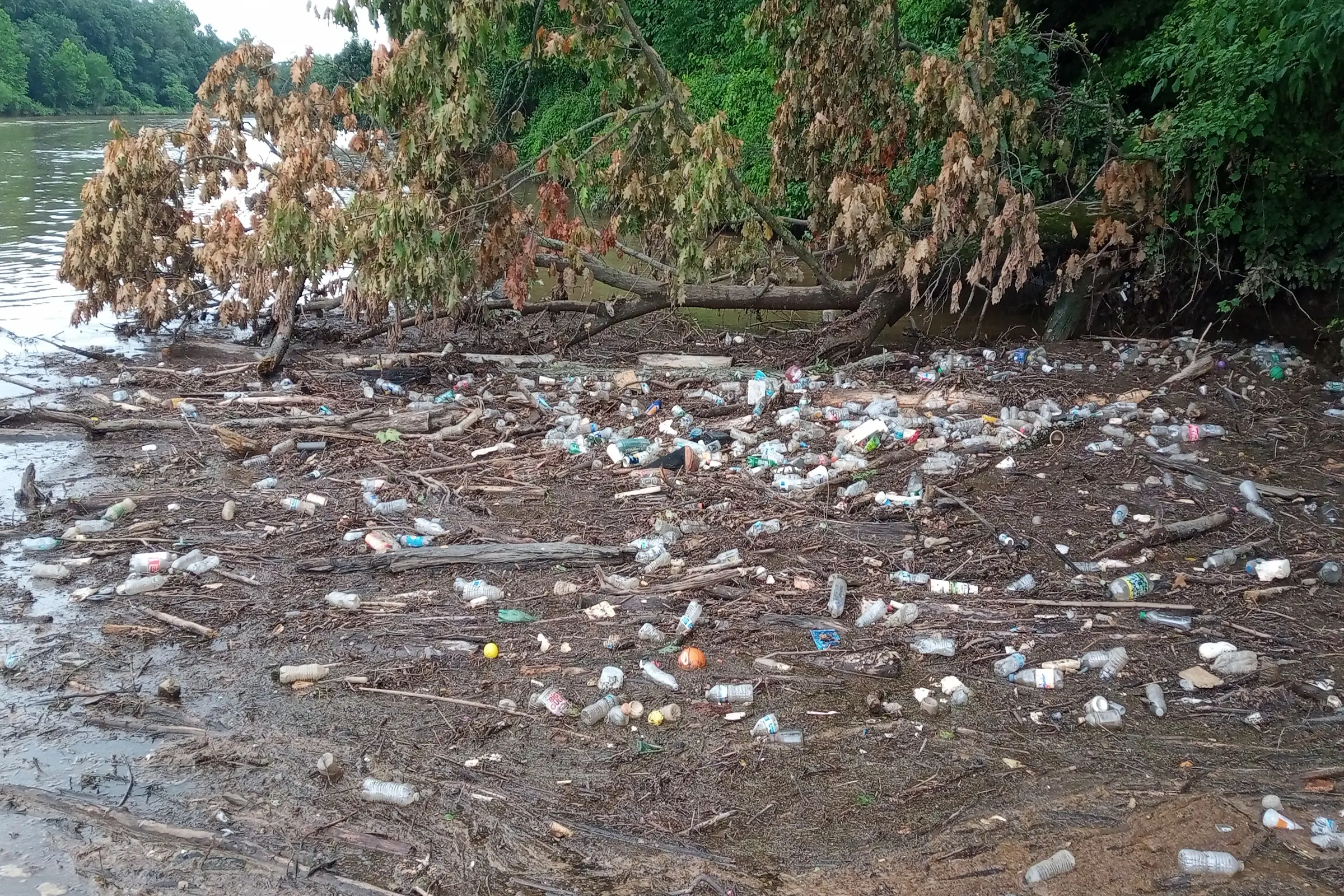
Every year, 5.5 billion single use beverage containers are sold in Maryland. That is an average of over 14 million plastic bottles, aluminum cans and glass bottles purchased, used, and disposed of every day! However, despite curbside pick-up, less than a quarter of all that trash is actually captured for recycling. The rest, 4 billion containers, never get into the recycling stream. That is almost 2 bottles and cans per each of Maryland’s 6.2 million residents per day, every day, going to rapidly filling, often leaking landfills, to incinerators to be burned into toxic air pollution, or into our neighborhood streets, parks, and rivers. We have all seen the result: the streams and wetlands of the Anacostia clogged with plastic trash, fouling habitat for wildlife and fish and polluting our shorelines and parks. We must do better! And we can….
HB 331/SB 342 would establish a 10-15 cent deposit on single use plastic, aluminum and glass beverage containers, which would be returned when the containers are brought back the store or a collection center. This system powerfully incentivizes recycling, as seen in the 10 U.S. states that have bottle bills, where recycling rates are 60%, 70%, even over 80%. Imagine how many plastic bottles and aluminum cans would be kept out of our rivers and streams with that much improvement in Maryland’s unacceptably low 25% recycling rate.
The proven benefits of deposit/return systems like the Maryland Bottle Bill include:
- A dramatically increased beverage container recycling rate in Maryland. The estimated recycling rate, currently only 25% of containers sold in the state, would increase to more than 90% with a bottle bill.
- Reduced beverage container litter and plastic pollution and an increase in water quality. The system would capture 3.6 billion additional beverage containers annually, including 2.3 billion plastic bottles, keeping that trash out of our neighborhoods, streets, parks, and rivers.
- Reduced greenhouse gas emissions. By reducing the production of new cans and bottles from virgin materials, the additional recycling from this program would eliminate 231,707 metric tons of CO2 annually, the equivalent of removing the emissions of 50,371 cars.
- Savings for taxpayers and local governments. The Maryland Bottle Bill would require beverage producers to finance the costs of collection, processing, and recycling of beverage containers, diverting those materials from landfills and incinerators and saving costs for taxpayers and local governments.
- New job opportunities in collection, redemption, hauling, and processing recyclable material. In fact, recycling generated by a deposit program creates five times more jobs as landfilling or incineration.