A natural filter for the Anacostia River
Why are wetlands important?
Wetlands behave like the kidneys of a river system by filtering, recycling and purifying the water of sediment, trash, nutrients and pollutants. Wetlands also provide a variety of other key ecosystem services such as restoring underground water supplies, flood control, shoreline stabilization, recreational opportunities, and high quality fish and wildlife habitat. Native wetland plants provide food and habitat to many songbirds, waterfowl, mammals, fish and other wildlife.
How are wetlands threatened?
Destruction, land use change, and development
Since the late 1800’s, much of the Anacostia River’s wetlands have been filled, dredged, paved or altered in other ways. The watershed has lost about 6,500 acres of wetland, according to the U.S. Environmental Protection Agency. These changes, and poor soil erosion control practices during construction, have increased the amount of sediment and pollution in the river.
Invasive Species
From snakehead fish to yellow irises, aquatic species introduced from outside our region keep establishing in the watershed, causing a wide range of ecological impacts to wetlands and aquatic habitats. A non-migratory subspecies of Canada geese introduced in the mid-20th century devastated the river’s tidal marsh vegetation, particularly wild rice (Zizania aquatica), jeopardizing the marsh ecosystem. Government agencies have been controlling the goose population since 2016, and marshlands and wild rice are recovering.
An invasive insect called the emerald ash borer has destroyed much of the river’s ash tree populations, deeply changing the ecology of the forests along the main stem of the river. Without these trees along the banks, the river is susceptible to the colonization of invasive plant species, changes in water flows in these forested wetlands, increased stormwater runoff and more pollutants and sediment flowing into the river.
Sea level rise and climate change
The Mid-Atlantic region is rapidly experiencing the effects of climate change and particularly sea level rise. Projections through the end of the century vary with emissions and climate scenarios, but for Washington, D.C., forecasts are for seas to rise about a foot by 2050 and between 2 and 3.4 feet by 2100. This will dramatically change the acreage and distribution of underwater plants and tidal marshes in the Anacostia River. Wetlands move inland as water levels rise, but in an urban area like the District, there is not much room to move, so they are in danger of being lost permanently.
AWS Accomplishments in Wetland Restoration Efforts
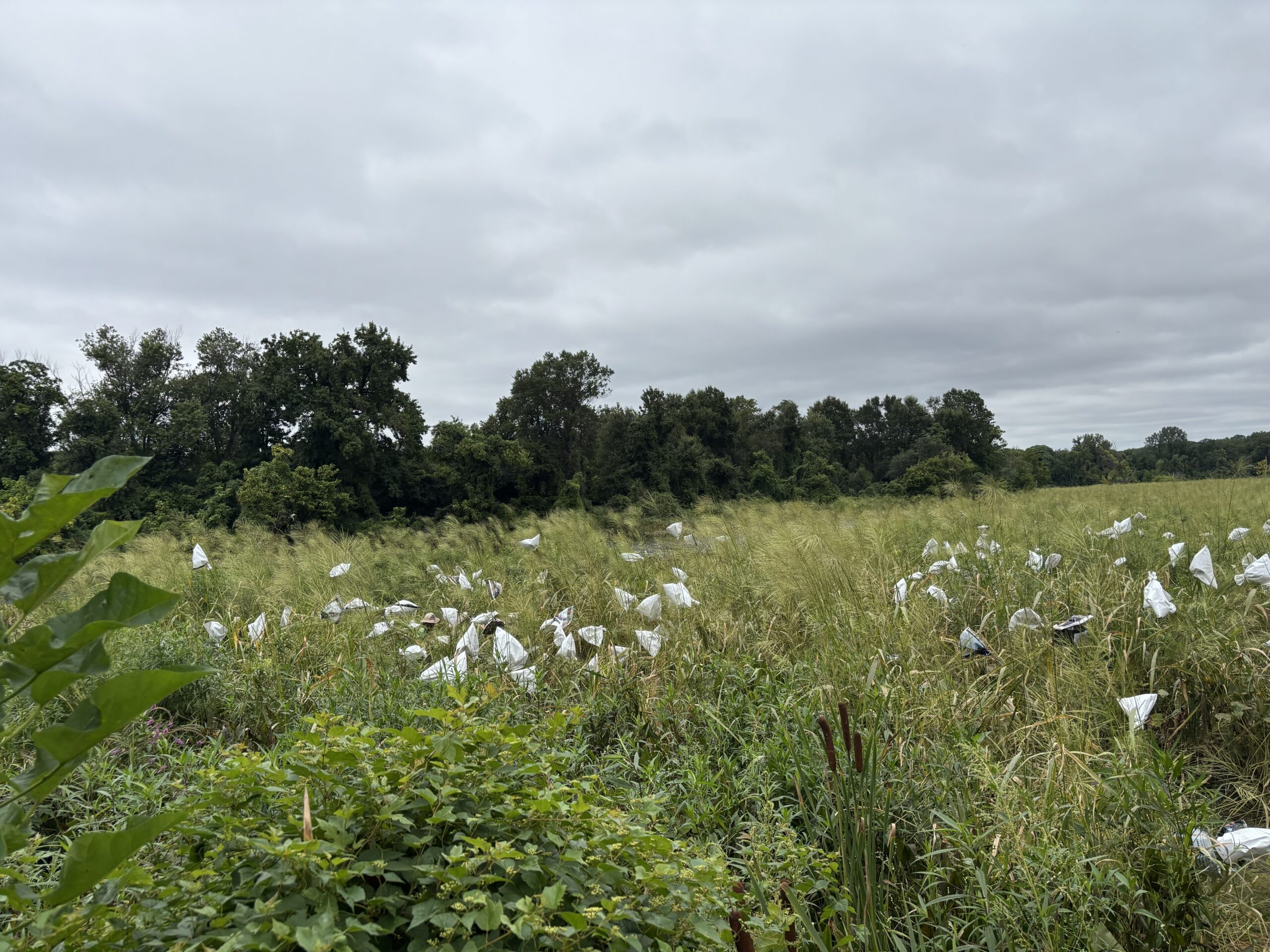
In the last 15 years, AWS has done restoration work in more than 35 acres of mostly tidal wetlands in the Anacostia River. This includes control of invasive Phragmites reeds and revegetation with native wetland plants. The restoration team has mapped 26 acres of wild rice at Kingman Lake in 2025, which is a major improvement compared to the 20 acres mapped in 2020.
{insert map here}
With the help of our volunteers, the team has planted and helped recover populations of wild rice, American lotus, arrow arum, pickerelweed, softstem bulrush and other plants.
To combat the Canada goose problem, AWS had to fence off every single wetland planting area in the tidal Anacostia. With the help of the National Park Service, populations have been brought under control. We have been able to remove the fencing, which had become problematic trash traps.
To combat the emerald ash borer devastation, AWS has planted more than 1,600 native trees from 16 species on 19 acres along the banks on the Maryland side of the Anacostia River.
How can I help?
AWS wetland tree planting events usually take place during spring and fall each year, though special planting events may occur during other seasons. Volunteers can help us harvest wild rice seeds in the summer and sow them in the fall in mudballs.
If you want to volunteer as an individual or in a group, visit our events calendar to see when our next scheduled event will take place.