What are vernal pools?
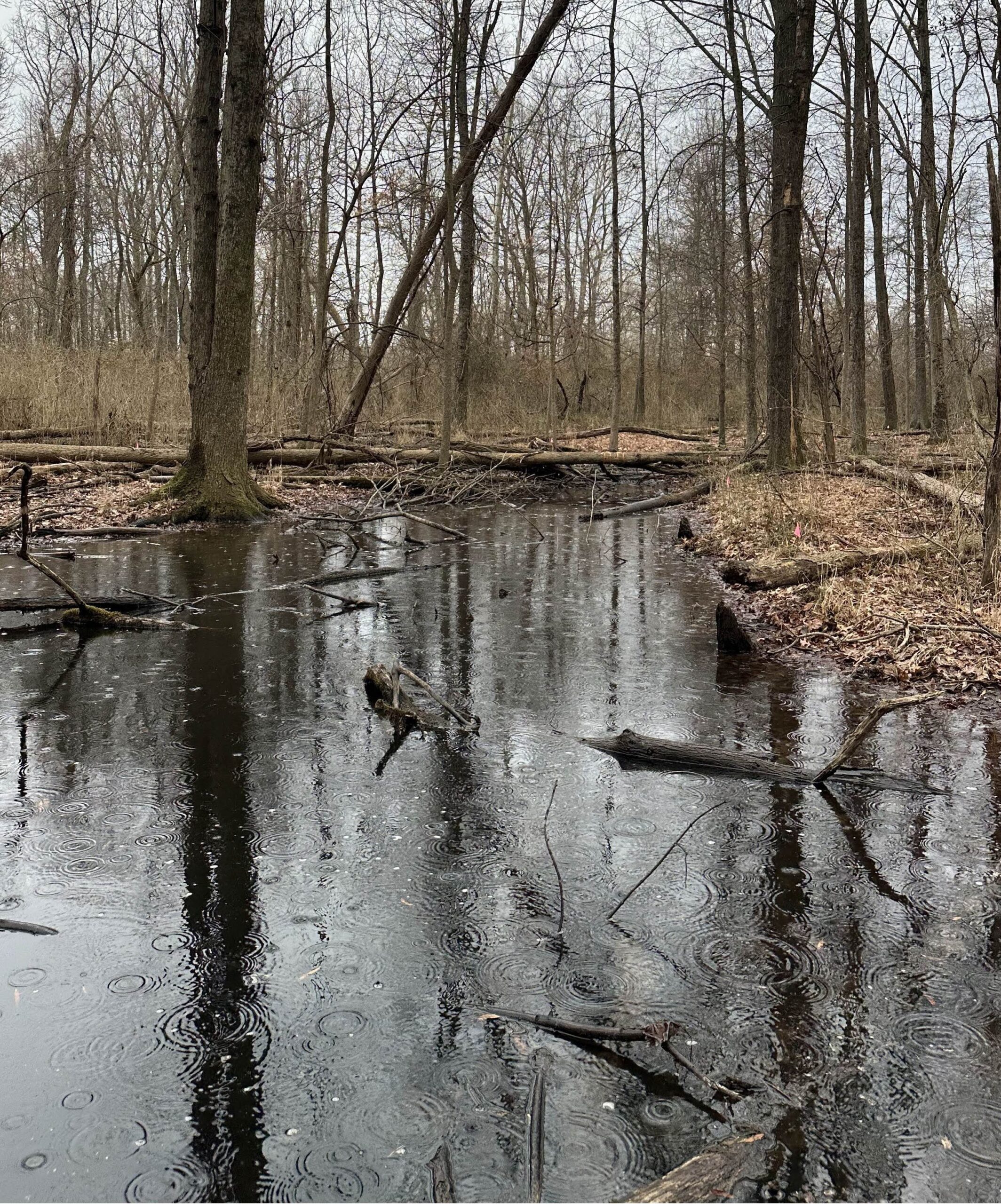
Vernal pools are a unique type of wetland. Though often small and seasonal, they play a vital role in the ecosystem. These temporary wetlands typically form in late winter through early spring from snowmelt and rain, and usually dry up by mid to late summer. They provide essential breeding habitats for a variety of creatures that cannot reproduce in other areas.
Why are vernal pools important?
These pools are where wood frogs, spring peepers, spotted salamanders and other amphibians come to breed. Vernal pools are fish-free, so amphibian eggs and insect larvae are safe from these predators. Some species, like fairy shrimp or marbled salamanders, are found only in vernal pools. Vernal pools also help ecosystems and communities stay resilient by filtering water and absorbing floods.
What are threats to vernal pools?
Threats to vernal pools include:
- Climate change
- Trash, stormwater runoff, dumping, and other pollution
- Development, road salting, and other forms of habitat destruction
Vernal pools are declining rapidly because they do not meet current Maryland Department of the Environment wetland requirements or qualify for federal protections under the Clean Water Act as currently interpreted. This allows businesses to build on these wetlands without making up for the damage.
What does AWS do?
AWS has taken species inventories and mapped more than 40 pools since 2010. At eight of them we found species that depend on these pools to breed, including marbled salamanders and wood frogs.
We work with trained citizen scientists and master naturalists to monitor specific vernal pools and gather data to identify conservation and restoration needs.
AWS regularly advocates for protection of these rare ecosystems, testifying in the House of Delegates, signing petitions and informing the public of their importance.
What can you do?
Maintain natural vegetation and avoid applying pesticides, herbicides, or fertilizers near pools.
Participate in local vernal pool monitoring, restoration projects or citizen science efforts.
Stay on marked trails, respect vernal pool habitats, and educate others about their importance.
Educate yourself!